A used Jeep Renegade is one of the more characterful subcompact SUVs on the American used market. It brings genuine Jeep styling, available real off-road ability in the Trailhawk trim and a fun, boxy personality to a class full of anonymous crossovers. But it also has a more complicated mechanical story than its rivals, and a used Renegade rewards careful checking. Across the 2015-2023 span you will find prices from roughly $9,000 to $24,000 depending on year, engine, trim and mileage.
That variety is exactly why the Renegade is not a single vehicle. Across these years you get two very different engines, the 1.4-liter turbo and the 2.4-liter Tigershark, plus front-wheel drive versus two different four-wheel-drive systems and the much-discussed nine-speed automatic. Each has its own things to check. This guide walks through the versions and what to inspect so you buy a good one.
Which version to buy
The Renegade launched for 2015 and received a mild refresh for 2019 that brought a new 1.3-liter turbo on some trims and interior updates. The Trailhawk is the genuinely off-road-capable version with more ground clearance, hill-descent control and the more serious four-wheel-drive system, while Sport, Latitude and Limited trims are road-focused. Decide first whether you actually need the Trailhawk’s ability, because it costs more and rides firmer.
Whatever the year, confirm the exact engine, drivetrain and trim against the VIN before you commit. A FWD 2.4 Latitude and a 4x4 1.4-turbo Trailhawk are very different vehicles. Verifying build and history from the VIN is covered in check a car by VIN and plate.
Gasoline engines
1.4 turbo (MultiAir)
The early 1.4-liter turbocharged MultiAir engine is peppy and paired only with a manual on US cars, which limits it to enthusiasts. It is willing but small for the car and, as a turbo, wants disciplined oil changes and a check for clean cold and hot running with no blue smoke or excessive lag. Confirm the manual clutch bites cleanly and does not slip under load.
2.4 Tigershark (oil consumption)
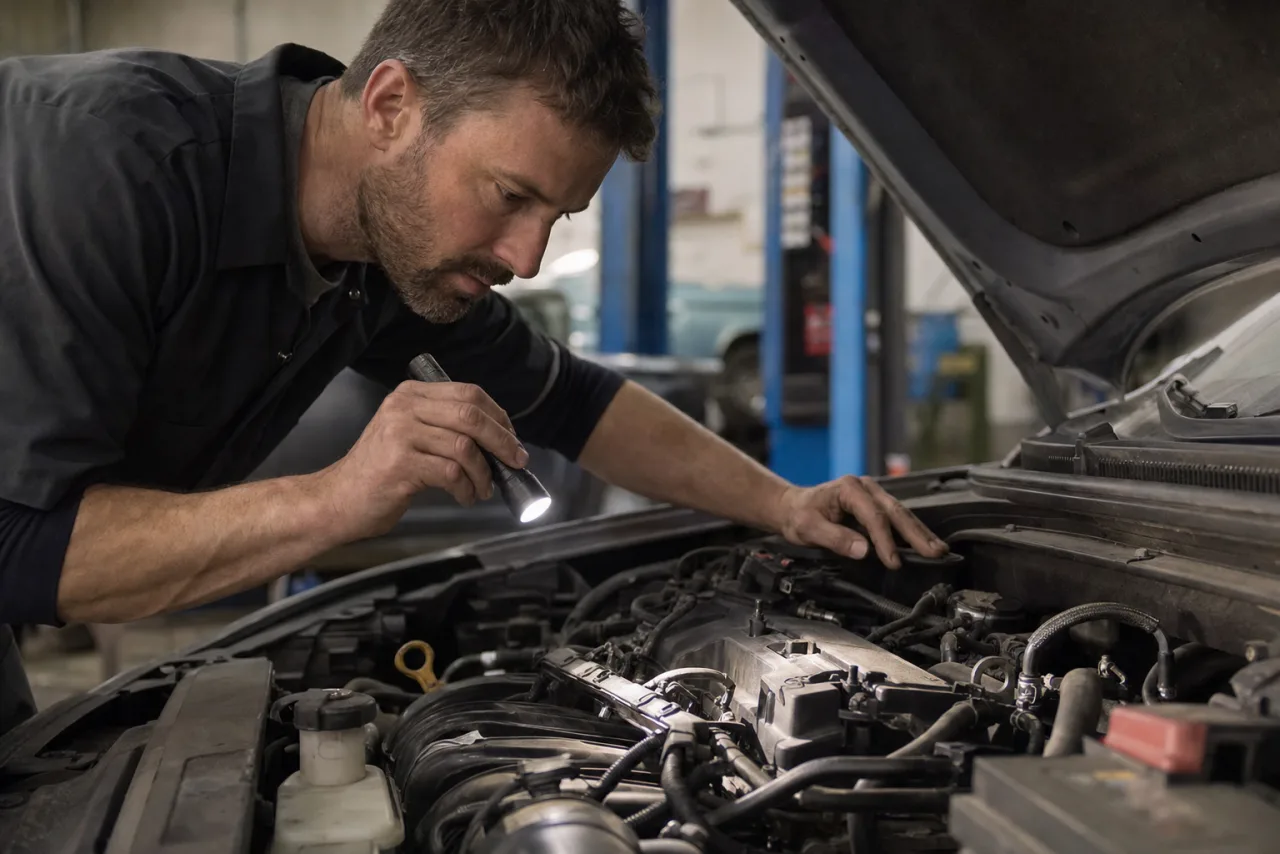
The volume engine is the 2.4-liter Tigershark, and this is the one to inspect carefully. The Tigershark has a well-known reputation for oil consumption on some examples, sometimes enough to run low between changes if the owner is not watching. At the inspection:
- Check the oil level and condition on the dipstick, and be wary of a low or very dark level.
- Ask directly how much oil it uses between changes, and whether it has ever run low or thrown an oil-pressure light.
- On the test drive, listen for ticking or knocking, which a chronically oil-starved engine can develop.
An engine that drinks oil is not automatically a dealbreaker, but it is a strong reason to negotiate and to keep watching the level closely. Oil intervals and what different symptoms mean are covered in engine oil symptoms, grades and intervals.
The nine-speed automatic
Most Renegades use a nine-speed automatic that, especially on early cars, drew complaints for hesitation, hunting between gears and occasional rough shifts. Later software updates improved it. On the test drive, this is your priority: confirm it shifts smoothly, does not hunt or clunk at low speed, and does not flare or bang between gears. Any harsh or confused shifting is a reason to walk or to negotiate hard, because transmission work is expensive. How this kind of automatic behaves is covered in transmission problems: symptoms and cost.
Four-wheel-drive Renegades use an on-demand system with a rear disconnect. Confirm 4x4 engages without noise or vibration, check for driveline clunks when turning tightly at low speed, and look for any related warning lights.
Body, suspension and electronics
Renegades are decently built, but check the usual items. On older or salt-belt cars, inspect the rocker panels, wheel arches, subframe and brake lines for corrosion, and check the underside of any Trailhawk for off-road damage. Suspension clunks over bumps are usually sway bar links or worn bushings.
Other items:
- Electronics - the Uconnect infotainment is generally good; test the screen, backup camera, sensors and any driver aids. Some cars have had assorted electrical niggles, so exercise every switch.
- Interior wear - check seat bolsters, the removable roof panels (My Sky) if fitted, and switches against the claimed mileage.
- Cooling - confirm the temperature stays steady and there are no coolant leaks or a low reservoir.
A methodical pass over the paint and body with a thickness gauge, checking panel gaps and filler, catches an accident vehicle sold as clean. The full inspection order is in how to inspect a used car.
Used Renegade price ranges
Prices vary by year, engine, drivetrain, trim and mileage. As a rough US-market guide:
- 2015-2017 Renegade, 2.4, 90,000-140,000 miles - most often $9,000-$13,000.
- 2018-2020 Renegade Latitude/Trailhawk, moderate miles - typically $13,000-$18,000.
- 2021-2023 Renegade, low miles, higher trim or 4x4 - usually $18,000-$24,000.
A vehicle priced far below the market is a warning sign, not a bargain: a hidden accident, a rolled-back odometer or a salvage or rebuilt title. Verify the mileage against records, as explained in how many miles is too many.
What to watch for and the VIN checklist
Pulling it together into one Renegade checklist:
- Confirm the engine and drivetrain (1.4 turbo manual vs 2.4 auto; FWD vs 4x4 vs Trailhawk).
- 2.4 Tigershark - check oil level and ask directly about oil consumption.
- Nine-speed automatic - confirm smooth, decisive shifts with no hunting or banging.
- 4x4 - confirm quiet engagement and check the underside on Trailhawks.
- Electronics - exercise every switch, screen and camera.
- VIN history - Carfax or AutoCheck for accidents, title brands, owner count and odometer readings, plus an NMVTIS check for salvage or rebuilt status.
A VIN gives you the history a seller will not volunteer. Reading that report is covered in how to read a vehicle history report. If you are cross-shopping other Jeeps, see the used Jeep Grand Cherokee guide and used Jeep Wrangler guide.
How MotoPPI helps when buying a Renegade
The Renegade’s mix of an oil-hungry engine and a fussy transmission makes homework especially valuable. MotoPPI pulls the VIN history, walks you through a model-specific checklist (including the oil-consumption and transmission checks that matter most here), helps you measure paint thickness and read OBD codes, then builds a report that works as leverage in negotiation.
On a vehicle where a bad example can cost thousands, that is the difference between a fun, characterful SUV and a money pit. The first check in the app is free, so it is worth starting there before you drive out.
Read also
- Check a car by VIN and plate
- Used Jeep Grand Cherokee: what to check
- Transmission problems: symptoms and cost
- How to negotiate car price
FAQ
Is the Jeep Renegade reliable?
It is average for the class, with two known concerns to check: oil consumption on the 2.4 Tigershark engine and early complaints about the nine-speed automatic. A well-maintained example that checks out on both is a fine buy.
Does the Renegade 2.4 engine burn oil?
Some examples do. The 2.4 Tigershark has a reputation for oil consumption, so check the level and condition and ask the owner directly how much it uses between changes. Watch the level closely if you buy one.
Is the nine-speed automatic a problem?
Early Renegades drew complaints about hesitation and rough shifts from the nine-speed, later improved by software. Focus your test drive on smooth, decisive shifting, and treat harsh or confused behavior as a reason to negotiate or walk.
How much does a used Renegade cost?
Roughly $9,000 for an older high-mileage car up to about $24,000 for a clean, low-mileage recent higher-trim or 4x4 model. Trailhawks command a premium for their off-road ability.
Should I buy a Renegade Trailhawk?
Only if you value real off-road capability, which the Trailhawk delivers with more clearance and a better 4x4 system. If you mostly drive on pavement, a lighter, cheaper front-drive trim rides better and costs less.