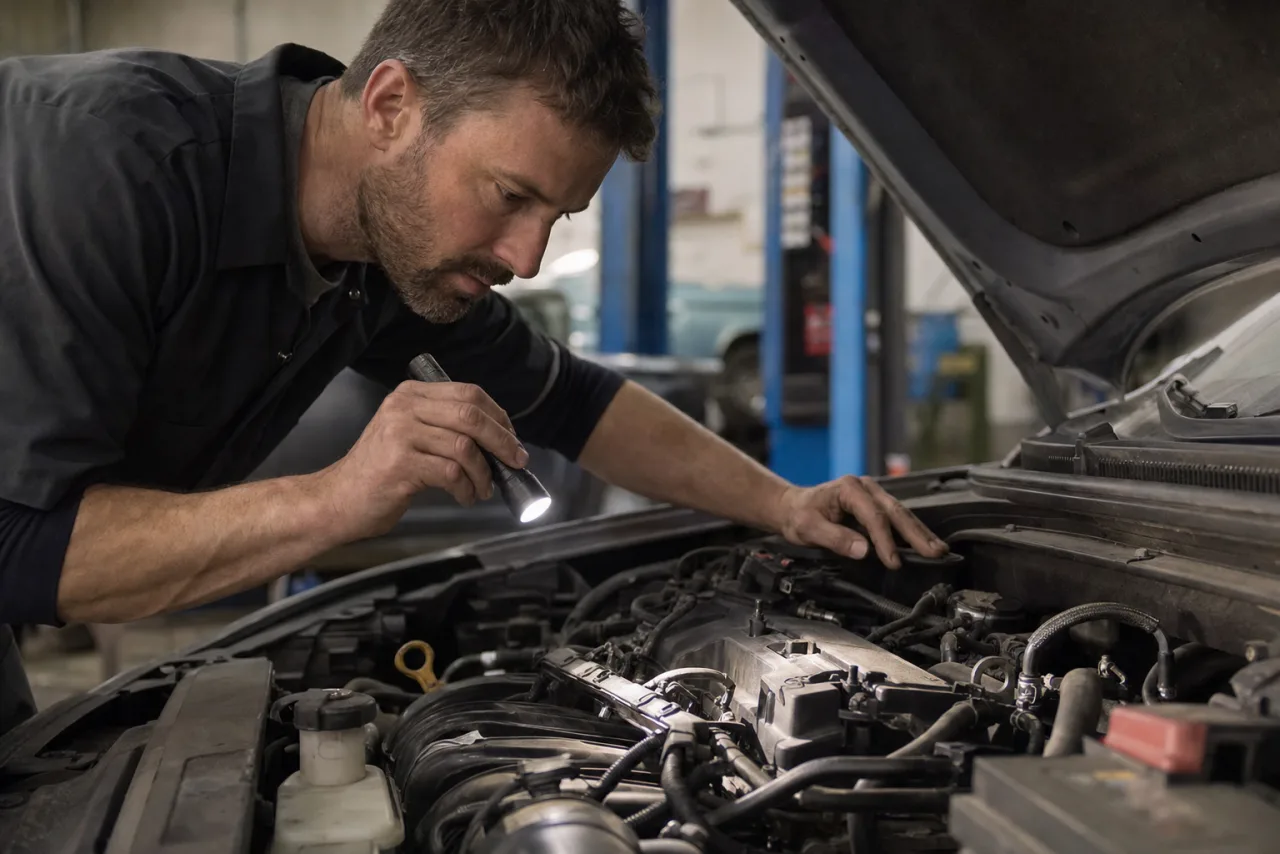
A used Jeep Grand Cherokee is one of the most appealing midsize SUVs on the American used market. It blends genuine off-road ability, a comfortable and often upscale cabin, and available V8 muscle in a package that few rivals match, which is why it sells in huge numbers. But it is also a complex vehicle with several engines, drivetrains and options that each carry their own risks. Across the 2011-2024 span you will find prices from roughly $8,000 to $40,000 depending on year, engine, trim and mileage.
That breadth is exactly why the Grand Cherokee is not a single vehicle. Across these years you get the long-running WK2 (2011-2021) and the newer WL (2021-2024), the 3.6-liter Pentastar V6 versus the 5.7-liter Hemi V8 (and other options), several four-wheel-drive systems, and optional air suspension that can be costly to fix. Each has its own things to check. This guide walks through the versions and what to inspect so you buy a good one.
Which generation and version to buy
The WK2 Grand Cherokee (2011-2021) is a proven, capable SUV that received meaningful updates over its long life, with 2014 bringing an eight-speed automatic and a facelift. The WL (2021 onward) is newer, more refined and more technology-heavy. For most used buyers the sweet spot is a well-maintained later WK2, which offers strong value now that the WL is the current car.
On drivetrain, decide whether you need the more serious Quadra-Drive II system (with a rear limited-slip differential) or whether the simpler four-wheel-drive systems suffice. And decide up front whether you want the optional air suspension, which rides beautifully but is a known long-term cost. Confirm the exact engine, drivetrain and suspension against the VIN, as covered in check a car by VIN and plate.
Gasoline engines
3.6 Pentastar V6
The volume engine is the 3.6-liter Pentastar V6. It is a strong, generally reliable engine, though early Pentastars (around 2011-2013) had some cylinder-head issues that were largely addressed in later revisions, so favor a later car and check history. Confirm oil level and condition, cold-start smoothness with no ticking, and no leaks. The Pentastar uses a timing chain, so there is no scheduled belt bill, but it depends on regular oil changes; why that matters is in timing belt vs chain.
5.7 Hemi V8
The 5.7-liter Hemi V8 delivers effortless power and a great sound, and is generally robust. Two things to check: some Hemis develop the “Hemi tick” (a lifter or exhaust-manifold noise), so listen at idle and on a cold start, and confirm the cylinder-deactivation system (which drops to four cylinders to save fuel) transitions smoothly. Fuel costs are meaningfully higher than the V6, so buy the Hemi for the power, not the economy.
Higher-performance SRT and Trackhawk models exist with 6.4 and supercharged 6.2 engines; those are specialist buys that demand a documented service history and evidence they were not abused.
Transmission and four-wheel drive
Most Grand Cherokees use a smooth eight-speed ZF-based automatic (from 2014) that is generally reliable. On the test drive, confirm smooth shifts in both directions with no harsh bangs or hunting. Any shudder or flare deserves attention; how these symptoms present is in transmission problems: symptoms and cost.
On four-wheel drive, confirm the system engages and the transfer case shifts (where applicable) without noise or grinding. Check for driveline clunks when turning tightly at low speed and look for any 4x4 warning lights.
Air suspension, body and electronics
The optional air suspension (Quadra-Lift) rides and adjusts height beautifully, but it is a known cost as it ages: leaking air struts, a failing compressor or a stuck ride height. At the inspection, watch the SUV rise to normal height on startup, confirm it does not sit lopsided or on the bump stops, and check for suspension warning messages. Budget for eventual repair on a high-mileage air-equipped car, or favor one on conventional coil springs.
Other items:
- Rust - on older or salt-belt cars, inspect rockers, wheel arches, the subframe and brake lines, and the underside of off-road-used examples.
- Electronics - the Grand Cherokee is feature-rich; test the Uconnect screen, cameras, sensors, memory seats and driver aids, as electrical repairs can be pricey.
- Cooling - confirm steady temperatures and no coolant leaks, especially on Hemi cars.
A methodical pass over the paint and body with a thickness gauge, checking panel gaps and filler, catches an accident vehicle sold as clean. The full inspection order is in how to inspect a used car.
Used Grand Cherokee price ranges
Prices vary widely by year, engine, trim, suspension and mileage. As a rough US-market guide:
- 2011-2014 Grand Cherokee, V6 or Hemi, 120,000-170,000 miles - most often $8,000-$14,000.
- 2016-2019 Grand Cherokee Limited/Overland, moderate miles - typically $16,000-$26,000.
- 2021-2023 Grand Cherokee, low miles, higher trim - usually $28,000-$40,000.
A vehicle priced far below the market is a warning sign, not a bargain: a hidden accident, a rolled-back odometer or a salvage or rebuilt title. Verify the mileage against records, as explained in how many miles is too many.
What to watch for and the VIN checklist
Pulling it together into one Grand Cherokee checklist:
- Confirm the engine, drivetrain and suspension (3.6 vs 5.7; 4x4 type; air vs coil).
- Pentastar - favor later engines and confirm no ticking or head-related history.
- Hemi - listen for lifter tick and confirm smooth cylinder deactivation.
- Air suspension - confirm it lifts to correct height with no warnings or leaks.
- Transmission and 4x4 - confirm smooth shifts and quiet driveline engagement.
- VIN history - Carfax or AutoCheck for accidents, title brands, owner count and odometer readings, plus an NMVTIS check for salvage or rebuilt status.
A VIN gives you the history a seller will not volunteer. Reading that report is covered in how to read a vehicle history report. If you are cross-shopping Jeeps, see the used Jeep Wrangler guide and used Jeep Renegade guide.
How MotoPPI helps when buying a Grand Cherokee
A Grand Cherokee can hide expensive surprises: worn air struts, a ticking Hemi, or accident damage on a feature-heavy vehicle. MotoPPI pulls the VIN history, walks you through a model-specific checklist (including air-suspension and engine checks), helps you measure paint thickness and read OBD codes, then builds a report that works as leverage in negotiation.
On a complex SUV like this, that homework is what separates a comfortable, capable bargain from a stack of looming repair bills. The first check in the app is free, so it is worth starting there before you drive out.
Read also
- Check a car by VIN and plate
- Used Jeep Wrangler: what to check
- Transmission problems: symptoms and cost
- How to negotiate car price
FAQ
Is the Jeep Grand Cherokee reliable?
It is respectable but complex. Favor a later Pentastar V6 (early ones had head issues), listen for Hemi lifter tick on V8s, and be cautious with air suspension as it ages. A well-maintained, carefully checked example is a good buy.
3.6 Pentastar or 5.7 Hemi?
The Pentastar V6 is efficient enough for most buyers and cheaper to run. The Hemi V8 delivers effortless power and towing but uses noticeably more fuel. Buy the Hemi for the muscle, the V6 for economy.
Is the air suspension worth avoiding?
Not necessarily, but it is a long-term cost. On a high-mileage car, confirm it lifts to the correct height with no leaks or warnings, and budget for eventual repair. Coil-sprung versions are simpler and cheaper to maintain.
How much does a used Grand Cherokee cost?
Roughly $8,000 for an older high-mileage WK2 up to about $40,000 for a clean, low-mileage recent WL in a higher trim. Hemi and off-road trims command a premium.
Which Grand Cherokee is best for off-road?
Look for Quadra-Drive II with the rear limited-slip differential and, on capable trims, air suspension for adjustable clearance. Trailhawk versions are set up specifically for off-road use, but check the underside for damage.