A used Toyota Highlander is one of the most trusted three-row SUVs on the American used market. It combines Toyota’s reliability reputation with seating for up to eight, a comfortable ride and strong resale value, which makes it a default choice for families who want a dependable hauler that will not spring expensive surprises. Because it holds value so firmly, clean examples command a premium and move quickly. Across the 2014-2024 span you will find prices from roughly $13,000 to $42,000 depending on year, powertrain, trim and mileage.
That popularity does not make the Highlander a single vehicle. Across these years you get the third generation (2014-2019) and the fourth generation (2020-2024, on the TNGA platform), a 3.5-liter V6 versus a hybrid (a V6 hybrid on the third generation, a four-cylinder hybrid on the fourth), and front-wheel drive versus all-wheel drive. Each has its own things to check. This guide walks through the versions and what to inspect so you buy a good one.
Which generation to buy
The third-generation Highlander (2014-2019) is a proven, roomy SUV with the dependable 3.5 V6 and a smooth eight-speed automatic on later cars. The fourth-generation Highlander (2020 onward) is more refined and efficient, with the V6 continuing and a new, very frugal four-cylinder hybrid. Both are excellent used buys; the fourth generation is the more modern choice if the budget allows, and the third generation is outstanding value.
Whatever the year, confirm the exact powertrain, drivetrain and trim against the VIN before you commit. A FWD V6 LE and an AWD Hybrid Limited are different in cost and capability. Verifying build and history from the VIN is covered in check a car by VIN and plate.
Gasoline and hybrid powertrains
3.5 V6
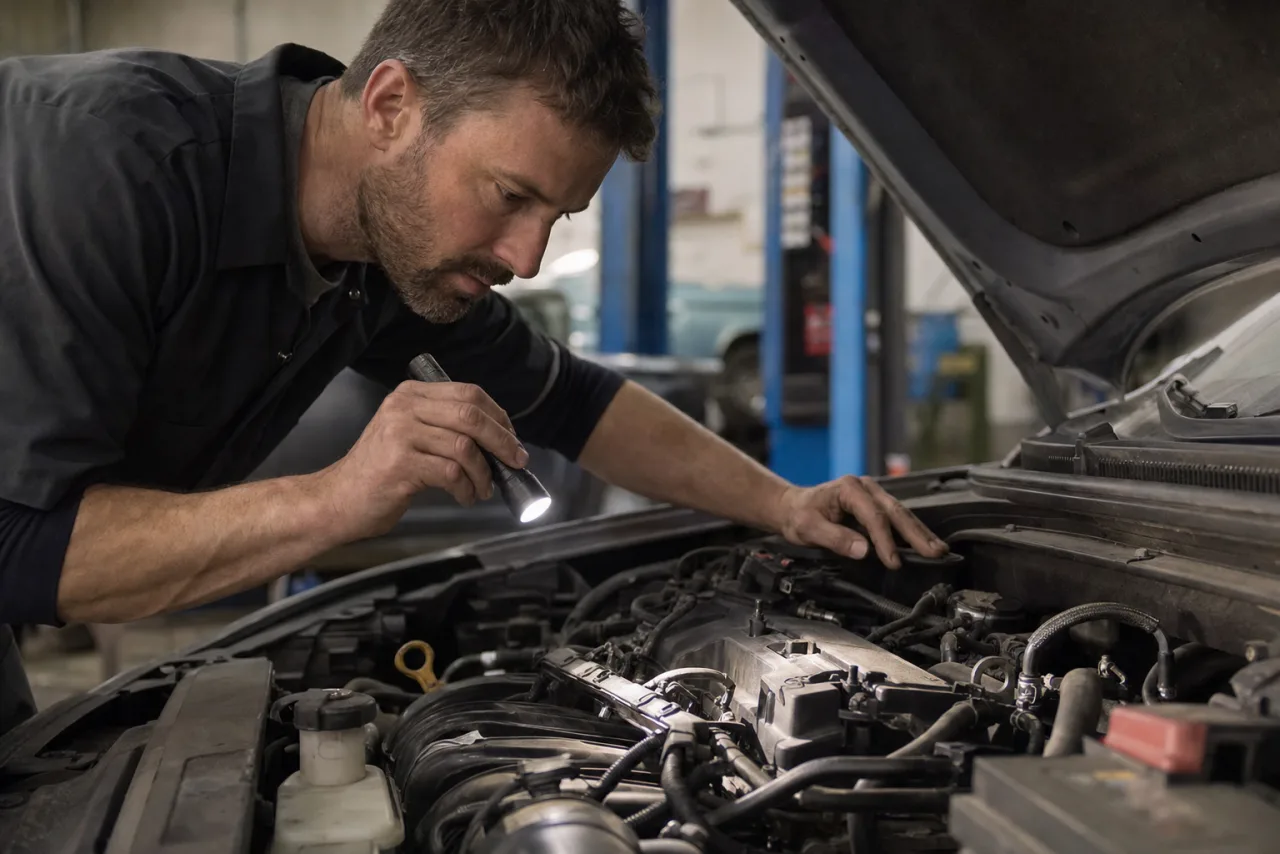
The Highlander’s core engine is the 3.5-liter V6 (the 2GR family). It is one of Toyota’s most dependable engines, smooth and strong, and a big reason for the Highlander’s reliability record. Check oil level and condition on the dipstick, cold-start smoothness with no ticking, and no leaks. It uses a timing chain, so there is no scheduled belt bill, though regular oil changes still matter; the difference is explained in timing belt vs chain. On direct-injection fourth-generation V6s, confirm smooth idle at higher mileage, though the Highlander is not known for a serious issue here.
Hybrid
The Highlander Hybrid uses Toyota’s mature, highly reliable hybrid system, one of the best in the business. On a used hybrid, confirm the traction battery is healthy: no hybrid-system warning lights, smooth transitions between electric and gasoline power, and normal charge and discharge behavior on the drive. Very poor fuel economy or a battery that never holds charge warrants a professional hybrid health check. For broader guidance see gas, diesel, hybrid or electric used.
Transmission and all-wheel drive
Highlanders use a conventional automatic (a six-speed early on, an eight-speed on later V6 cars) or the hybrid’s smooth electronic transaxle, not a troublesome CVT. On the test drive, confirm smooth shifts in both directions with no harsh bangs or hunting. A structured routine is in the test drive checklist.
Many Highlanders have all-wheel drive. Confirm it engages without noise or vibration, listen for droning or binding when turning tightly at low speed, and check for AWD or traction warning lights. A FWD Highlander is simpler and cheaper if you do not need traction.
Body, suspension and electronics
Highlanders are well built, but check the usual items. On older or salt-belt cars, inspect the rocker panels, wheel arches, subframe and brake lines for corrosion. Suspension is durable; clunks over bumps are usually sway bar links or worn bushings.
Other items:
- Electronics - test the infotainment, backup or surround-view camera, sensors and Toyota Safety Sense driver aids.
- Third-row and interior wear - Highlanders haul kids and gear; check the third-row mechanism, seat bolsters, cargo area and switches against the claimed mileage.
- Roof and glass - many have a sunroof and roof rails; confirm no leaks.
A methodical pass over the paint and body with a thickness gauge, checking panel gaps and filler, catches an accident vehicle sold as clean. The full inspection order is in how to inspect a used car.
Used Highlander price ranges
Prices vary by year, powertrain, trim and mileage, and the Highlander holds value strongly. As a rough US-market guide:
- 2014-2016 Highlander V6, 110,000-160,000 miles - most often $13,000-$19,000.
- 2017-2019 Highlander XLE/Limited, moderate miles - typically $20,000-$29,000.
- 2021-2023 Highlander, low miles, higher trim or Hybrid - usually $30,000-$42,000.
A vehicle priced far below the market is a warning sign, not a bargain: a hidden accident, a rolled-back odometer or a salvage or rebuilt title. Verify the mileage against records, as explained in how many miles is too many.
What to watch for and the VIN checklist
Pulling it together into one Highlander checklist:
- Confirm the powertrain and drivetrain (V6 vs Hybrid; FWD vs AWD).
- Engine - check oil level and condition and confirm smooth, quiet running.
- Hybrid - confirm no warning lights, smooth transitions and normal battery behavior.
- Transmission - confirm smooth shifts on the automatic or transaxle.
- Third row and AWD - exercise the third-row seats and confirm quiet AWD engagement.
- VIN history - Carfax or AutoCheck for accidents, title brands, owner count and odometer readings, plus an NMVTIS check for salvage or rebuilt status.
A VIN gives you the history a seller will not volunteer. Reading that report is covered in how to read a vehicle history report. If you are cross-shopping family SUVs, see the used Toyota RAV4 guide and used Subaru Outback guide.
How MotoPPI helps when buying a Highlander
Even on a vehicle as dependable as the Highlander, a used purchase can hide accident damage, a rolled-back odometer or an aging hybrid battery. MotoPPI pulls the VIN history, walks you through a model-specific checklist (including AWD and hybrid-battery checks), helps you measure paint thickness and read OBD codes, then builds a report that works as leverage in negotiation.
Because Highlanders hold value so well and sell fast, that homework is what keeps you from overpaying for a car with a hidden problem. The first check in the app is free, so it is worth starting there before you drive out.
Read also
- Check a car by VIN and plate
- Used Toyota RAV4: what to check
- Gas, diesel, hybrid or electric used
- How to negotiate car price
FAQ
Is the Toyota Highlander reliable?
Yes. The 3.5 V6 is one of Toyota’s most dependable engines and the hybrid system is excellent, giving the Highlander a strong reliability record. Confirm oil condition, smooth running and hybrid health as with any used car.
V6 or Hybrid Highlander?
The V6 is strong and effortless with lower buy-in; the Hybrid delivers much better fuel economy with proven reliability at a higher price. Both are dependable; the Hybrid is the better long-term value if you can afford the premium.
How do I check a used Highlander Hybrid battery?
Confirm no hybrid warning lights, that the car transitions smoothly between electric and gas power, and that the battery charges and discharges normally on the drive. Very poor fuel economy warrants a professional check.
How much does a used Highlander cost?
Roughly $13,000 for an older high-mileage V6 up to about $42,000 for a clean, low-mileage recent higher trim or Hybrid. It holds value strongly, so bargains are rare.
Does the Highlander have a CVT?
No. It uses a conventional automatic on gasoline models and Toyota’s proven electronic transaxle on the hybrid, both with good reliability records. Confirm smooth operation on the test drive.