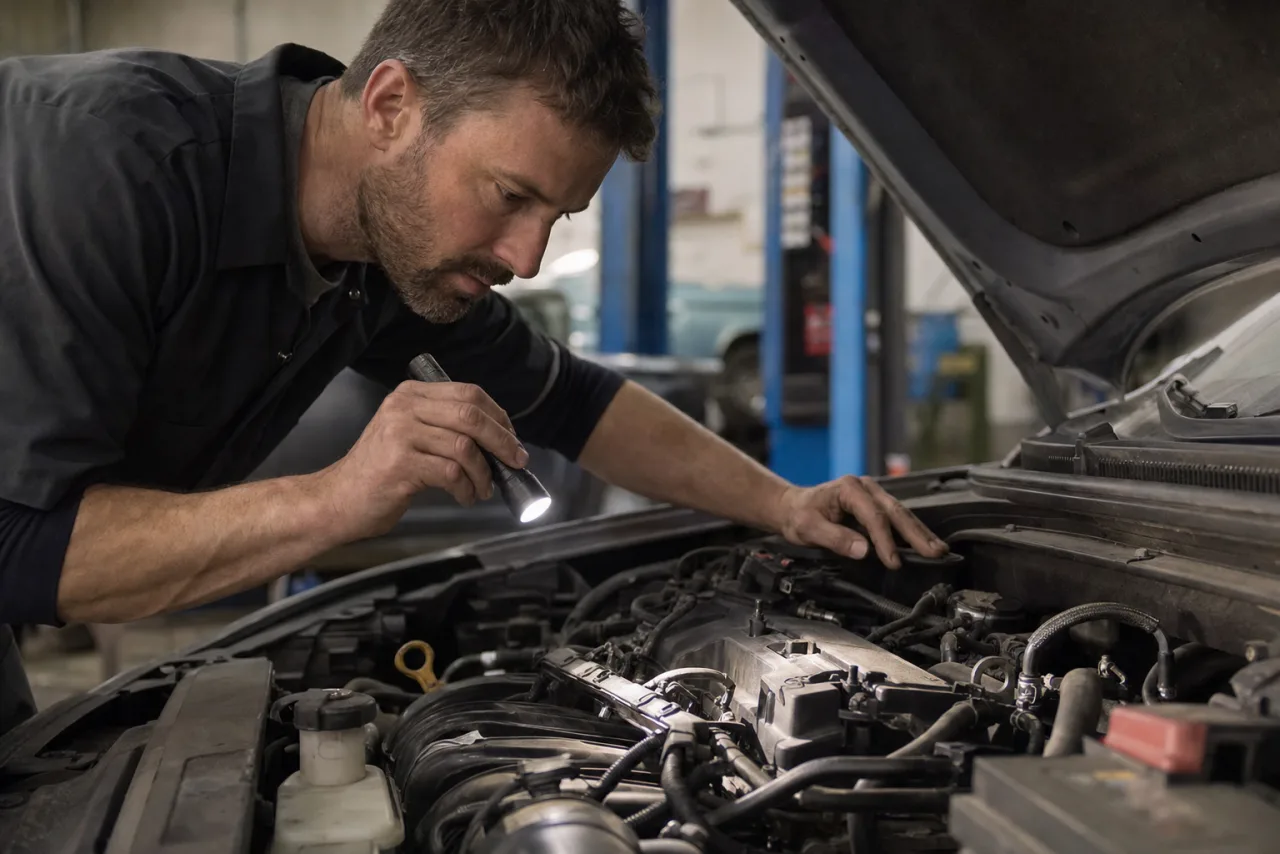
A used BMW 1 Series or 3 Series is one of the most tempting buys in the British classifieds. For the money of a well-specced Focus you can have a rear-wheel-drive premium car with a proper badge, and there are thousands of them. But that temptation is also the trap: many were bought on finance, run hard and sold on tired, and a used BMW is not one car. It is a spread of petrol and diesel engines with some very specific and expensive weak points, plus a gearbox that is excellent when healthy and costly when not.
Get the engine and history right and these cars are superb value, genuinely rewarding to drive and cheap for what they are. Get it wrong and you can be facing a timing chain, injector or gearbox bill that wipes out any saving. The purchase price rarely reflects which car you are actually looking at.
This guide covers the common 1 Series (E87/E82 and F20/F21) and 3 Series (E90/E91 and F30/F31) generations from around 2005 to 2024, engine by engine, so you know which used BMW to chase and which to avoid.
Which generation to buy
The E-chassis cars (E87/E90, broadly 2005 to 2012) are the cheap, plentiful option, but they carry the well-known N47 diesel timing chain and N43/N47 petrol and diesel issues covered below. The F-chassis cars (F20/F30, 2011 onward) are more modern, better built and moved to newer engines, though the early diesels still share the timing chain family. If your budget allows, an F-chassis car is generally the safer buy, but a well-maintained E-chassis car with the right history can still be a bargain.
Before you view, confirm the exact engine from the advert and cross-check it against the registration and the MOT history on GOV.UK. A 118d is a very different proposition from a 116i or a 320i.
Diesel engines and the N47 timing chain
The four-cylinder diesels (118d, 120d, 318d, 320d and similar) are the mainstream choice and superb motorway engines, economical and torquey. But the N47 diesel, fitted broadly from 2007 to around 2014, is notorious for one thing: the timing chain runs at the back of the engine, against the bulkhead, and can stretch and fail. When it goes it can cause catastrophic engine damage, and because of its position, replacing it is a major, expensive job that involves removing the engine or gearbox on many cars.
The warning sign is a rattle, often a whirring or grinding noise, particularly on cold start or when the engine is warm and idling. On any N47 diesel, listen extremely carefully on cold start, ask directly whether the chain has ever been replaced and get proof if so. A car with a documented chain replacement is worth more, not less. Treat any rattle as a serious walk-away.
Beyond the chain, check the whole diesel package: the diesel particulate filter (which clogs on town-only cars), the EGR valve, the swirl flaps, the injectors and the dual-mass flywheel. A diesel BMW only makes sense for high-mileage motorway drivers; on short urban trips it will be trouble. Our guide to petrol, diesel, hybrid or electric explains the trade-off.
Petrol engines: N43, N13 and others
The naturally aspirated N43 petrol (116i, 118i, 320i of the E-chassis era) is a direct-injection engine known for problems with its injectors and NOx sensors, which can cause rough running, misfires and a lumpy idle, and repairs can be costly. On a test drive, feel carefully for smooth idle and clean pull, and treat persistent misfires as a red flag.
The turbocharged N13 petrol in the F20 (116i, 118i) was co-developed with PSA and shares some traits with the Mini Prince engines, including timing chain and carbon concerns, so listen on cold start and feel for rough running. The larger straight-six petrols are wonderful but thirsty and less common. Whatever the engine, check oil and coolant levels and look for leaks, as oil weeps from the sump gasket and other seals are common on higher-mileage BMWs.
The ZF automatic
Many used 1 and 3 Series cars have the ZF automatic, and it is one of the best gearboxes of its kind: smooth, quick and, when serviced, durable. The catch is that BMW long described it as sealed for life, which it is not. A neglected box that has never had its fluid changed can develop harsh or hesitant shifts and, eventually, expensive faults. On a test drive, the ZF should shift smoothly and imperceptibly in normal driving with no clunks, flaring or hesitation. Ask about fluid change history and treat a high-mileage box with no service record cautiously. Manual cars are cheaper to maintain but a good serviced ZF is a fine choice.
Body, suspension and electrics
These are premium cars with heavy running gear, so suspension wear is common. Knocks over bumps point to worn bushes, drop links, top mounts or tired shocks, and rear subframe or arm bushes can be a bigger job. Check the tyres for even wear, as uneven wear hints at alignment or suspension issues, and run-flats give a firm ride and cost more to replace.
Rust is generally not a big issue, but check the arches, sills and jacking points on older E-chassis cars. BMWs are electronics-heavy, so test every window, the air conditioning, the iDrive infotainment, the electric seats, the parking sensors and any cameras, as premium electrical repairs can be eye-watering. A walk around the paint with a thickness gauge, checking panel gaps and for filler, will catch a repaired accident car. Our used car test drive checklist covers the driving inspection.
Used 1 and 3 Series prices in the UK
As a rough guide for 2026:
- E-chassis, 2009 to 2012, 118d/320d or 118i/320i, higher mileage: typically £3,000 to £6,000.
- F-chassis, 2013 to 2016, mid mileage: usually £7,000 to £12,000.
- F-chassis, 2017 to 2019, low mileage or higher spec: often £12,000 to £18,000, with M Sport and the hot models above that.
A BMW priced well below the market is a warning, not a bargain: hidden damage, a clocked odometer, timing chain worries or a finance or write-off issue. Verify the mileage against the MOT record rather than trusting the dashboard, as these are common clocking targets. Our guides to clocking, cloning and outstanding finance and how many miles is too many explain the signs.
What to watch for: the VIN and MOT checklist
- Confirm the exact engine (N47 diesel versus N43/N13 petrol; which chassis).
- On any N47 diesel, listen very carefully on cold start for chain rattle and get proof of any chain replacement.
- On the N43 petrol, feel for misfires and rough running from injector and sensor faults.
- On any diesel, check the DPF, EGR, swirl flaps and injectors.
- On the ZF automatic, feel for smooth shifts and ask about fluid changes.
- Cross-check the MOT history for a consistent mileage climb and recurring advisories.
- Run an HPI-style history check for write-off markers, outstanding finance and plate changes.
Our guide to how to check a used car walks through reading the MOT record and a full history report.
How MotoPPI helps with a used BMW
Instead of taking a mechanic to every viewing, you can run a structured inspection yourself. MotoPPI pulls the vehicle history from the registration, guides you through a model-aware checklist that flags the weak points of the exact version in front of you, helps you measure paint thickness and read OBD fault codes, then builds a report you can use to negotiate.
On a premium car where a single wrong engine choice can cost thousands, that is the difference between a superb-value buy and an expensive mistake. The first check in the app is free.
Read also
- How to check a used car in the UK
- How many miles is too many
- Is a pre-purchase inspection worth it
- Buying a used Mini Cooper: what to check
FAQ
Which BMW engine is the most reliable?
For high-mileage motorway use the diesels are superb, provided the N47 timing chain has been checked or replaced. Among petrols, avoid the injector-troubled N43 unless it runs perfectly, and give any engine with a full service history preference. Service history matters more than the badge.
What is the N47 timing chain problem?
The N47 diesel has its timing chain at the rear of the engine, and it can stretch and fail, causing serious damage. Because of its position, replacement is a major, costly job. Listen very carefully on cold start and get proof of any chain work.
Is the ZF automatic reliable?
The ZF is an excellent gearbox but it is not truly sealed for life. A neglected box can develop harsh shifts and expensive faults. Check for smooth, imperceptible shifts and ask about fluid change history.
How much should I pay for a used 1 or 3 Series?
Roughly £3,000 to £6,000 for a higher-mileage E-chassis car, £7,000 to £12,000 for a mid-mileage F-chassis car, and £12,000 to £18,000 for a low-mileage or M Sport F-chassis car, with the hot models costing more.
How do I spot a well-kept BMW?
Look for a full BMW or specialist service history, a consistent MOT record with sensible mileage, proof of any N47 chain and ZF fluid work, no cold-start rattle and even tyre wear. Verify the mileage against the MOT record and run a write-off and finance check.