A used Range Rover Evoque is one of the most tempting compact luxury SUVs on the American used market. It offers genuine Range Rover style and badge appeal at a fraction of the new price, thanks to steep depreciation, which puts a premium-feeling SUV within reach of many buyers. But that low buy-in comes with a catch: the Evoque has a reputation for higher-than-average running costs and reliability niggles, so this is a model where checking matters more than almost any rival. Across the 2012-2024 span you will find prices from roughly $10,000 to $45,000 depending on year, trim and mileage.
That range is exactly why the Evoque is not a single vehicle. Across these years you get the first generation (2012-2019) and the second generation (2020-2024) with mild-hybrid and plug-in options, several 2.0-liter turbo engines and all-wheel-drive systems, and a lot of costly electronics. Each has its own things to check. This guide walks through the versions and what to inspect so you do not turn a bargain into a burden.
Which generation to buy
The first-generation Evoque (2012-2019) established the formula and is now very affordable used, but it is also the one most associated with electrical gremlins and repair bills, so it demands the most careful inspection and a documented service history. The second-generation Evoque (2020 onward) is more refined, with updated engines and mild-hybrid tech, and is the better long-term choice if the budget allows. With either, buy on condition and history, not on how cheap the sticker looks.
Whatever the year, confirm the exact engine, drivetrain and trim against the VIN, and prioritize a full service history from a franchise or specialist. Verifying build and history from the VIN is covered in check a car by VIN and plate.
Gasoline engines
2.0 turbo (Ingenium and earlier)
The Evoque uses 2.0-liter turbocharged four-cylinder engines. First-generation cars used an earlier turbo four; later cars use the Ingenium family, including mild-hybrid versions on the second generation. All are turbocharged, so the turbo checks apply: clean cold and hot running with no blue smoke, no whistling or excessive lag, no oil in the intake, and clear evidence of on-time oil changes, since these engines are unforgiving of neglect. Turbo warning signs are covered in turbocharger failure symptoms and cost.
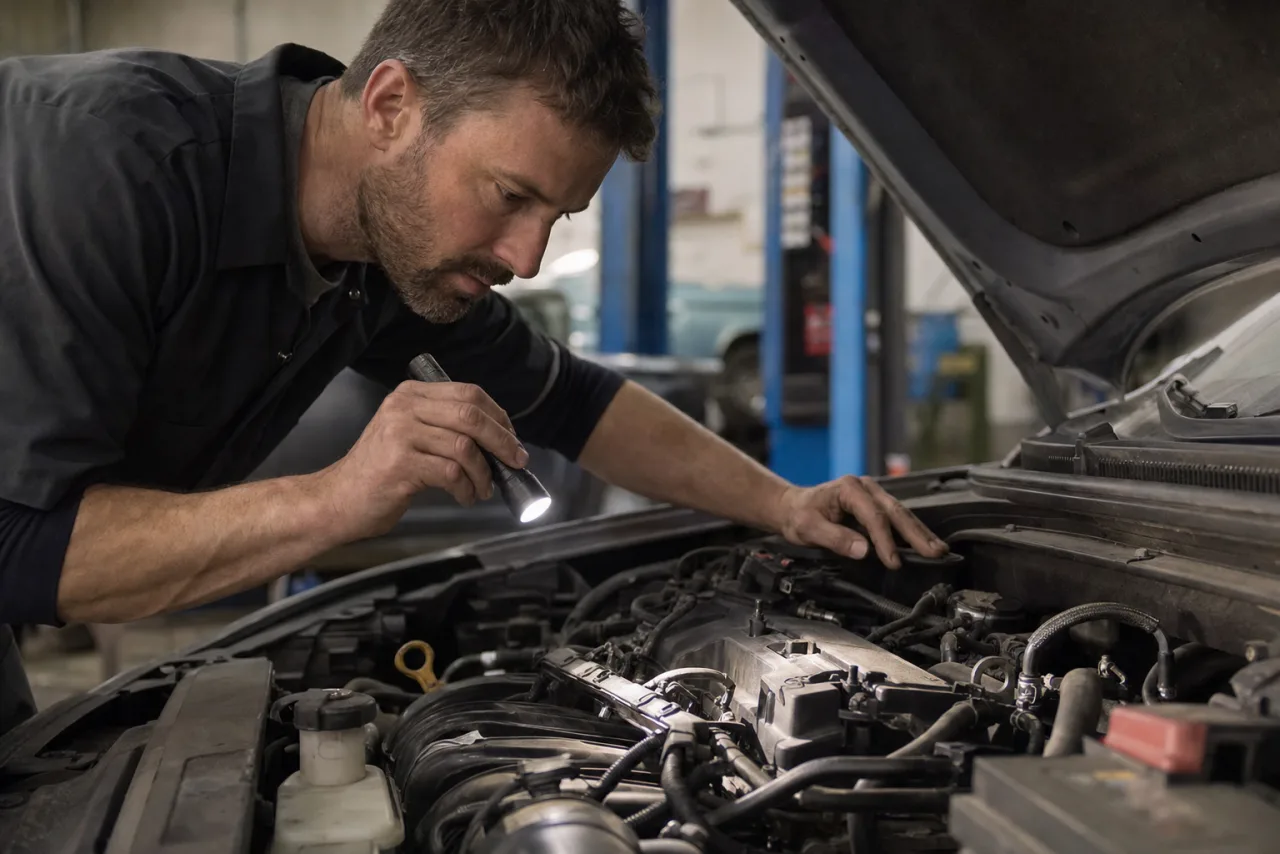
At the inspection, watch cooling closely: confirm the temperature stays steady, the coolant is at the correct level and there are no leaks, as cooling and oil issues are among the more expensive things that go wrong. Check for oil leaks around the engine and any burning smell after the drive.
Transmission and all-wheel drive
Most Evoques use a ZF-based automatic (a nine-speed on many cars) driving all four wheels. The nine-speed drew some criticism for hesitation and occasional rough low-speed shifts, so on the test drive confirm smooth, decisive shifting with no hunting, flaring or clunks. Any harsh behavior is expensive to address; how these symptoms present is in transmission problems: symptoms and cost.
Confirm the all-wheel-drive system engages without noise or vibration, listen for driveline clunks when turning tightly at low speed, and check for any related warning lights. On plug-in second-generation cars, confirm the hybrid system shows no warnings, transitions smoothly and charges normally.
Body, electronics and the running-cost reality
This is where the Evoque earns its reputation. The cabin is packed with electronics that can be costly to fix: the touchscreen infotainment, cameras, parking sensors, keyless entry, power tailgate and driver aids. At the inspection, exercise every single one and treat any glitch as a bargaining point, because parts and labor here are premium-priced.
Other items:
- Body and glass - inspect for corrosion on older cars, confirm the panoramic roof does not leak, and check seals.
- Suspension - listen for clunks over bumps and confirm the ride is not crashy, which can indicate worn components.
- Interior wear - the cabin materials are nice but wear; check bolsters and switches against the claimed mileage.
A methodical pass over the paint and body with a thickness gauge, checking panel gaps and filler, catches an accident vehicle sold as clean, which matters on a stylish SUV that gets city-parked. The full inspection order is in how to inspect a used car.
Used Evoque price ranges
Prices vary widely by year, trim, condition and mileage, and depreciation is steep. As a rough US-market guide:
- 2013-2016 Evoque, 80,000-130,000 miles - most often $10,000-$18,000.
- 2017-2019 Evoque, moderate miles, good history - typically $18,000-$28,000.
- 2020-2023 Evoque, low miles, higher trim or plug-in - usually $30,000-$45,000.
A vehicle priced far below the market is a warning sign, not a bargain, and with the Evoque a suspiciously cheap car often means deferred repairs or a poor history. Verify the mileage against records, as explained in how many miles is too many.
What to watch for and the VIN checklist
Pulling it together into one Evoque checklist:
- Prioritize service history - a documented, on-time record is the single best predictor here.
- Turbo and cooling - confirm clean running, no smoke, steady temperature and no coolant or oil leaks.
- Transmission - confirm smooth, decisive shifts on the automatic.
- Electronics - exercise every screen, camera, sensor and feature and price any glitch in.
- Roof and seals - confirm the panoramic roof does not leak.
- VIN history - Carfax or AutoCheck for accidents, title brands, owner count and odometer readings, plus an NMVTIS check for salvage or rebuilt status.
A VIN gives you the history a seller will not volunteer. Reading that report is covered in how to read a vehicle history report. If you are cross-shopping premium compact SUVs, the mainstream alternatives in the used Mazda CX-5 guide are worth a look for lower running costs.
How MotoPPI helps when buying an Evoque
The Evoque is the classic case where a cheap purchase price can hide expensive ownership. MotoPPI pulls the VIN history, walks you through a model-specific checklist (with emphasis on electronics, cooling and service history), helps you measure paint thickness and read OBD codes, then builds a report that works as leverage in negotiation.
On a vehicle where a single repair can rival the purchase price, that homework is essential. The first check in the app is free, so it is worth starting there before you drive out.
Read also
- Check a car by VIN and plate
- Used Mazda CX-5: what to check
- Turbocharger failure symptoms and cost
- How to negotiate car price
FAQ
Is the Range Rover Evoque reliable?
It has a reputation for higher-than-average running costs and electrical niggles, especially on first-generation cars. A well-documented, carefully inspected example can be enjoyable to own, but this is a model where service history and a thorough check matter more than usual.
Why are used Evoques so cheap?
Steep depreciation. A premium badge, high new prices and buyer wariness about repair costs push used values down fast, which is good news for a buyer who verifies the specific car and budgets for premium-priced maintenance.
What goes wrong on an Evoque?
Common concerns include electrical and infotainment glitches, cooling and oil-leak issues, and the cost of parts and labor generally. Exercise every electronic feature, watch temperature and fluids, and insist on a service history.
How much does a used Evoque cost?
Roughly $10,000 for an older high-mileage first-generation car up to about $45,000 for a clean, low-mileage recent higher-trim or plug-in. The low entry price is offset by higher running costs.
Is a used Evoque a good buy?
It can be, if you buy the best-documented example you can find, budget for premium maintenance, and inspect thoroughly. If low, predictable running costs are the priority, a mainstream compact SUV is the safer choice.