A seized engine is about the worst news a car can give you: the engine will not turn over at all, the pistons are locked solid, and you are staring down either a five-figure repair or the end of the car. It is the failure that turns a running vehicle into scrap value. The good news, if you can call it that, is that seized engines almost never happen without warning, and they are usually the end result of neglect you could have caught. Understanding the symptoms, causes, and, crucially, how to avoid buying a car headed for a seizure will save you a fortune.
A seized engine means the internal moving parts (pistons, crankshaft, bearings) have physically locked up and can no longer rotate. This is different from an engine that cranks but will not start, which is usually a fuel, spark, or electrical problem and is far less serious. A truly seized engine does not crank at all, and this guide is about that catastrophic case.
Symptoms of a seizing or seized engine
- The engine will not crank when running. You turn the key, and instead of the normal cranking sound, you get a single clunk or nothing at all (once you have ruled out a dead battery or bad starter).
- A loud knocking or rattling in the moments before it dies, often from the bottom end (rod knock), a sign the bearings are failing.
- The engine seizes while driving, suddenly losing power and stopping as if the ignition was cut, sometimes with a bang.
- Smoke or a burning smell from severe overheating or oil starvation leading up to it.
- Metal shavings in the oil, visible on the dipstick or in the drain oil, a late-stage warning that the internals are grinding themselves apart.
The trouble is that by the time the engine actually seizes, it is usually too late. The warnings that matter come earlier: the causes below almost always announce themselves first.
What causes an engine to seize
Nearly every seized engine traces back to one of these, and every one is preventable:
- Oil starvation. This is the number one cause. Run the engine low on oil, or with a failed oil pump, and the moving parts lose their lubricating film, overheat, and weld themselves together. This is why an ignored oil pressure warning light is so dangerous, it is often the last warning before a seizure. Skipping oil changes accelerates this too.
- Overheating. Let the engine cook (from a failed water pump, a coolant leak, or an old, worn-out cooling system) and metal parts expand until they seize. Our cooling system overheating guide covers how this spirals.
- Hydrolock. Drive through deep water and suck it into the cylinders, and because water does not compress, the engine can lock hard and bend connecting rods.
- A snapped timing belt on an interference engine, where the valves and pistons collide and jam the engine. This is exactly why timing belt intervals are not optional, as our timing belt vs chain guide explains.
- Long-term sitting. A car parked for years can seize from rust forming on the cylinder walls and internal parts.
Notice the theme: oil, coolant, and timing maintenance. Keep those up and engines almost never seize.
Can a seized engine be fixed, and is it worth it?
Sometimes it can be freed and repaired, and sometimes the damage is total. It depends entirely on the cause and how far it went:
- A hydrolocked engine caught immediately, before it was cranked hard, can sometimes be saved by draining the water, though bent rods often mean internal damage.
- A rust-seized engine on a car that sat can occasionally be freed with penetrating oil and patience, if it had not run when it locked.
- An oil-starved or overheated engine that seized while running is usually destroyed internally. The bearings, crank, and cylinder walls are typically damaged beyond a simple fix.
When it cannot be repaired, your options are a rebuild or a replacement engine, and both are expensive. A rebuild or a used replacement engine installed commonly runs 3,000 to 7,000 dollars or more, and a new crate engine far more. On an older, high-mileage car, that cost frequently exceeds the car’s value, which is why a seized engine so often means the end of the car. Weigh it against the car’s worth using our cost of owning a used car perspective before pouring money in.
How to avoid buying a car with a seized or dying engine
This is the part that protects you as a buyer, because a seller with a knocking, oil-starved engine has every reason to hide it and sell fast. Your defenses:
- Start it cold. Ask to be there for a genuine cold start (many problems hide once warm). Listen for knocking, rattling, or a rough idle. A deep, rhythmic knock is a red flag for bottom-end wear heading toward failure.
- Check the oil. Pull the dipstick. Milky oil hints at coolant intrusion, and any metallic glitter is a serious warning. Very low or filthy oil suggests neglect.
- Watch the temperature gauge on a test drive and look for any overheating, and check the coolant condition.
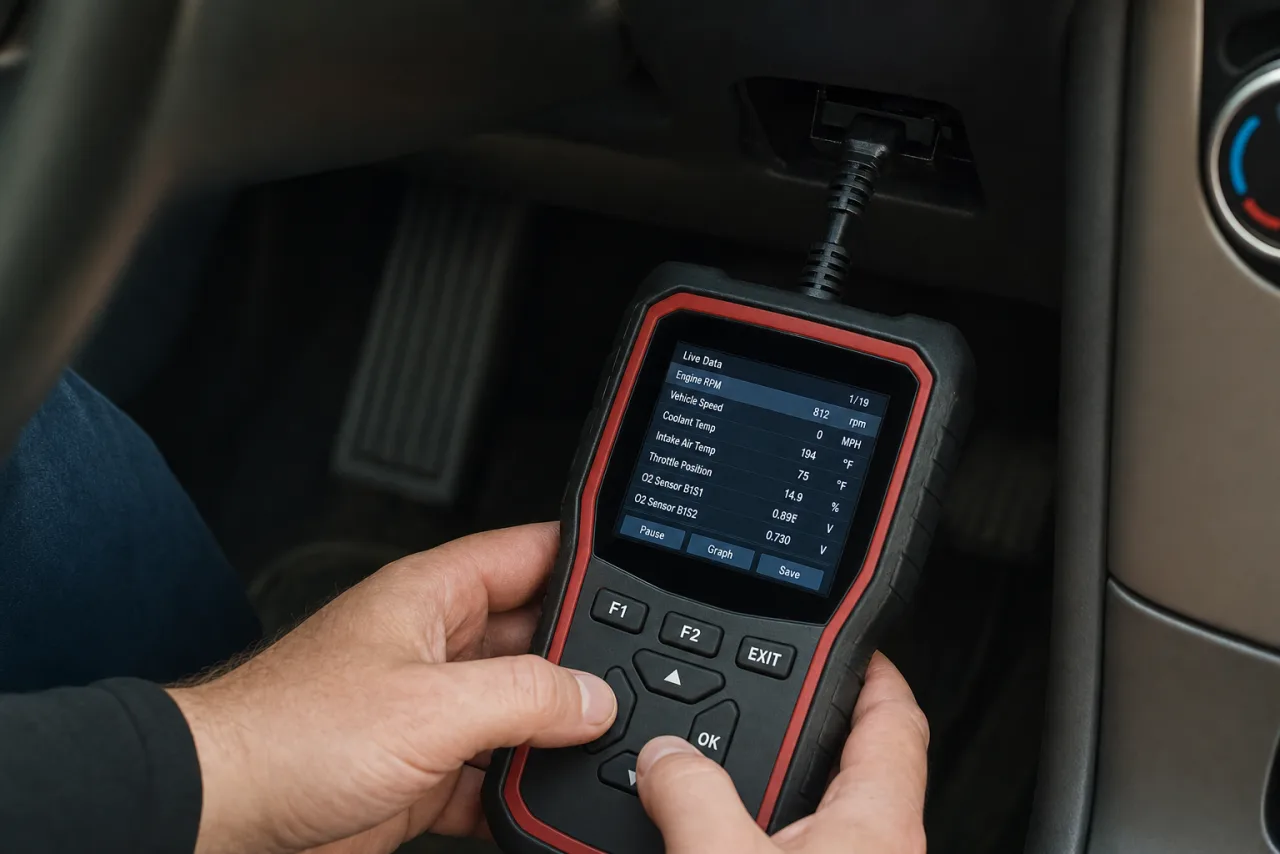
- Scan for codes. Misfire codes, low oil pressure, or overheating history stored in the computer are gold. Our engine misfire symptoms guide covers what those knocking-adjacent codes can mean.
A phone-based pre-purchase inspection like MotoPPI helps you do exactly this: it walks you through pulling OBD fault codes, checking the VIN history for salvage or flood titles (flood cars are hydrolock risks), and inspecting the car, so you can spot an engine on borrowed time before you hand over money. A car with a knock, milky oil, and an overheating history is one to walk away from, no matter how cheap.
The bottom line
A seized engine is usually the final act of a long story of neglect: oil starvation, overheating, a snapped timing belt, or flood damage. It can occasionally be fixed, but on most used cars the repair costs more than the car is worth. The real protection is prevention (keep oil, coolant, and timing serviced) and, when buying, a careful cold-start inspection with a code scan so you never inherit someone else’s dying engine.