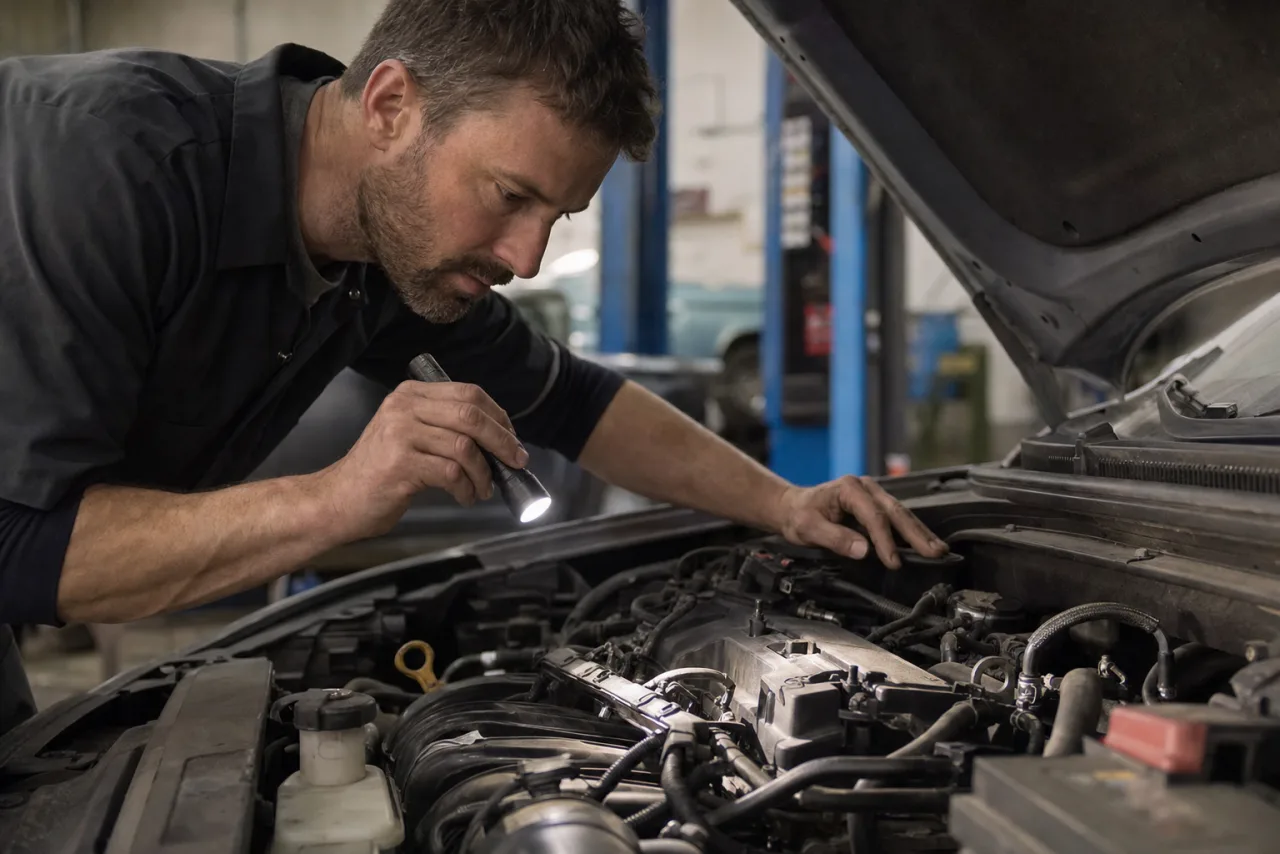
When people ask which used car to buy, the smarter question is which engine is under the hood. The body rusts, the interior wears, the electronics glitch, but the engine is the thing that either dies at 120,000 miles and takes the car’s value with it, or quietly rolls past 250,000 and outlives three owners. The most reliable engines are the ones with simple, proven designs, forgiving maintenance needs, and a long track record of high-mileage survivors. Knowing which ones to look for turns a used-car search from a gamble into a filter. This guide covers the most reliable engines in the US market, why they last, and what to still check on each.
One rule up front: even the best engine can be wrecked by neglect, and even an average engine can go the distance if it was babied. Reputation gets you into the right neighborhood, but maintenance history and a proper inspection tell you whether this specific car is a keeper. With that said, some designs simply stack the odds in your favor.
Toyota and Lexus four-cylinders and V6s
If reliability were a religion, Toyota would be the church. The 2.5-liter four-cylinder found in the Camry, RAV4, and countless others is a benchmark for going the distance with basic maintenance. The 3.5-liter V6 (the 2GR family) is equally tough and powers everything from the Highlander to the Sienna. These engines are not exciting, but they are the ones mechanics quietly recommend to their own families.
What to still check: oil change history above all, and on higher-mileage examples look for any leaks and confirm the timing chain is quiet. See what else matters in the used Toyota Camry checklist.
Honda four-cylinders and V6s
Honda’s naturally aspirated engines are legends. The K-series and R-series fours in the Civic and CR-V, and the J-series V6 in the Accord and Pilot, routinely hit 200,000-plus miles. Hondas reward regular oil changes and punish neglect less harshly than most.
What to check: some Honda V6 years have a cylinder-deactivation system linked to higher oil use, and certain automatics prefer strict fluid-change intervals. The used Honda CR-V checklist covers the specifics.
Mazda SkyActiv engines
Mazda’s SkyActiv-G gasoline fours, in the Mazda3, CX-5, and Mazda6, blend genuine reliability with better driving feel than most rivals. They are timing-chain designs, sip fuel reasonably, and have avoided the major systemic faults that plague some competitors. An underrated pick.
What to check: rust on older examples in salt-belt states, and normal high-mileage suspension wear.
Toyota and Honda hybrids
Do not fear a used hybrid. Toyota’s hybrid system, in the Prius, Camry Hybrid, and RAV4 Hybrid, is arguably more reliable than many pure-gas drivetrains because the electric motor takes strain off the engine and the brakes. Honda’s later hybrids are strong too. The battery is the common worry, but Toyota packs regularly last well past 150,000 miles, and replacement costs have fallen. Our gas, diesel, hybrid, or electric used breakdown weighs the trade-offs.
Simple GM and Ford truck engines
On the truck side, the older General Motors small-block V8s (the LS family) and Ford’s proven V8s and V6s have huge track records and cheap, everywhere parts. They are not the most efficient, but for durability and easy repairs they are hard to beat. Check for towing abuse and maintenance history rather than worrying about the design itself.
What makes an engine reliable
Patterns emerge across all of these:
- Simplicity. Fewer turbos, fewer high-pressure systems, and proven fuel injection mean fewer expensive failure points.
- Timing chains or long-interval belts. A chain that lasts the engine’s life beats a belt you must remember to replace, though timing belt vs chain has nuance.
- A long production run. An engine built for a decade has had its bugs found and fixed.
- A community of high-mileage survivors. If forums are full of 250,000-mile examples, that is real-world proof.
What to check on any “reliable” engine before you buy
The badge narrows the search; the individual car’s condition closes the deal. On a test drive and inspection, focus on:
- Cold start. Start it stone cold and watch for smoke, listen for knocks or rattles, and note how quickly the idle settles.
- Oil condition and leaks. Pull the dipstick, check for a milky film (coolant mixing) or sludge, and look under the car for drips.
- An OBD2 scan for stored and pending codes and to confirm the emissions monitors were not just reset; see the OBD2 scanner guide.
- Service history proving regular oil changes at proper intervals.
- Exhaust smoke under load, since blue means oil burning and white can mean a head gasket; exhaust smoke color meaning decodes it.
This is exactly the sequence a pre-purchase inspection app like MotoPPI walks you through, combining the VIN history, the OBD2 read, and the test-drive checks so a promising engine does not hide an expensive surprise. The full routine lives in how to inspect a used car.
The bottom line
The most reliable engines to look for used are the boring, proven ones: Toyota and Lexus fours and V6s, Honda’s naturally aspirated engines, Mazda SkyActiv, the Toyota and Honda hybrid systems, and the simple domestic truck V8s. Buy one of those and you have already stacked the odds heavily in your favor. Then inspect the specific car hard, because even the toughest engine can be ruined by a lazy previous owner. Get both right and you can drive worry-free for another decade. The flip side, the engines to actively avoid, is covered in worst engines to avoid.